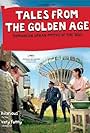
For those who never "experienced" communism, this may seem off the charts but rest assured as such stories could be more than simple legends. In fact, communism provided numerous stories.. some were true, some were a bit dramatized but as the Romanian saying goes, "there is some grain of truth in every story". Every film should be judged on the period in which it was created and given the story it tells and this movie should make no exception. Considering the fact that a movie has to be an excellent blend of a good scenario, perfectly balanced acting, inspiring music and stunning visuals, it's hard to make a 10 out of 10 movie so, I have to conclude by giving it a 9. As I am a native Romanian you would have to consider my 9 an actual 8, stripping down my subjectivity. The scenarios are excellent and not far from the truth, we have indigenous music and the acting is extremely picturesque and relevant. There are many great Romanian actors here! At this point I have to remind the reader that this is not a documentary as misleadingly written previously, but a artistic movie. As far as the stories go, I don't find them to be over exaggerated. The reviews that pointed out an over exaggerated perspective are in fact misleading. Street mopping / sweeping was not something close to science fiction at all. In fact, in reality, a party inspection was often accompanied by highly more absurd but true actions, such as hanging additional fruits in fruit trees in order for the production to seem misleadingly larger..etc and all kind of similar tricks in order to distort reality and conceal the raw and painful truth - misery, cold, hunger, poverty, sadness and many more. So, in fact, what seam to be funny stories are in fact allegorical screen played facts that speak of a naked truth. Through these allegorical perspective, every story tells or focuses on an actual truth telling fact like: gullibility, poverty, tyranny, servitude, lies and censorship and many more. Try to read between the lines of the script, try to connect with the era and the Balkanic mood and enjoy the well screened stories of ages not long past. Enjoy!