A light-hearted retelling of the true story of future prime minister Margaret Thatcher, during the fifties when, working as a research chemist, she begins her attempts to be selected for parliament, and meets her future husband Dennis.
Keep track of everything you watch; tell your friends.
If your account is linked with Facebook and you have turned on sharing, this will show up in your activity feed. If not, you can turn on sharing
here
.
In a post-war election Margaret Roberts, University educated daughter of shop-keeper Alf from Grantham, is determined to get herself elected as a prospective Parliamentary candidate for the Consevative party but without any success. Although her friend Patricia wins a seat,the notion of a woman candidate is frowned upon by Old Guard members like Sir John Sowdon and she gets no support from fellow hopeful - who does get elected - Ted Heath. But she is tenacious and committed and, loyally backed by her business-man husband Dennis finally wins that coveted seat in parliament a decade on. She has successfully completed that long walk to Finchley. Written by
don @ minifie-1
Before she became Prime Minister or Britain's "Iron Lady", there was an ambitious young woman named Margaret Roberts, later to be known as Margaret Thatcher, who sought to become a Member of Parliament. Margaret Thatcher: The Long Walk to Finchley, with the subtitle "How Margaret Might Have Done It", is the BBC's 2008 film depicting the ten year journey of a young grocer's daughter straight out of university to the beginning of her rise to Prime Minister.
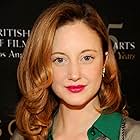
The film's heart is its young Margaret played by Andrea Riseborough. This isn't the Thatcher who became so well-known some thirty years after the film begins but a much different woman. This Margaret is young, feisty and above all incredibly ambitious. In that case, Riseborough is perfect casting as we watch this young future Prime Minister put her ambition above all else including job and family. Riseborough plays the role to the utmost of her ability and she serves the film well.
The supporting cast is splendid as well. Rory Kinnear is perfect as the young Denis Thatcher and much the same can be said of Philip Jackson as Margaret's father Alfred. The supporting cast also includes Samuel West as Edward Heath (himself a future Prime Minister), Michael Cochrane as Sir Waldron Smithers, Sylvestra Le Touzel as Patricia Hornsby-Smith and Geoffrey Palmer as Finchley's outgoing MP Sir John Crowder. Palmer's appearance in particular is in fact quite small but makes a huge impression during his time on screen. The result is well acted film all around.
The production values of the film serve the film well. In particular the cinematography of Jan Jonaeus and the score from composers Srdjan Kurpjel and Mario Takoushis serve the film's light hearted tone well. The music is particular is superb at setting the feel of any particularly scene in the film. The film also is well served by its sets and costumes which believably present the 1950s setting of the film. The production values serve the film well and little more can be asked of them.
The script by Tony Saint is an interesting piece of work in its own right. The film's subtitled "How Margaret Might Have Done It" is an accurate one. The film is without a doubt inspired by the true story of Thatcher's decade long journey into being elected to Parliament yet is also without a doubt a piece of fiction. It is a light hearted piece of fiction as well. The film puts heavy focus on the comedic especially with some nicely done foreshadowing of events still far in the future. These include a young Mark Thatcher saying if he ever went to Africa he wouldn't cause trouble (a reference to his involvement in the 2004 coup attempt in Equatorial Guinea) and a young Margaret saying in an early speech "Every child in the country would have as much milk as they wanted. That would be my promise," in a reference to one of Thatcher's most infamous decisions pre-Prime Minister when she served as Minister of Education to end the serving of free milk in schools. The film also has a fair amount of drama in it as it explores the beginning of the rift that would grow between Thatcher and Heath as well as Thatcher's struggle to overcome prejudice. The result than isn't a political film but an entertaining one about the rise of an ambitious young woman who would one day become her nation's most powerful leader.
Margaret Thatcher: The Long Walk to Finchley is a film perhaps best looked at not without politics in mind. The film is filled with strong performances, strong production values and a first rate script with a light hearted tone to it. This isn't a film about the still controversial Prime Minister but the journey of the young woman who was to become her.
3 of 3 people found this review helpful.
Was this review helpful to you?
Before she became Prime Minister or Britain's "Iron Lady", there was an ambitious young woman named Margaret Roberts, later to be known as Margaret Thatcher, who sought to become a Member of Parliament. Margaret Thatcher: The Long Walk to Finchley, with the subtitle "How Margaret Might Have Done It", is the BBC's 2008 film depicting the ten year journey of a young grocer's daughter straight out of university to the beginning of her rise to Prime Minister.
The film's heart is its young Margaret played by Andrea Riseborough. This isn't the Thatcher who became so well-known some thirty years after the film begins but a much different woman. This Margaret is young, feisty and above all incredibly ambitious. In that case, Riseborough is perfect casting as we watch this young future Prime Minister put her ambition above all else including job and family. Riseborough plays the role to the utmost of her ability and she serves the film well.
The supporting cast is splendid as well. Rory Kinnear is perfect as the young Denis Thatcher and much the same can be said of Philip Jackson as Margaret's father Alfred. The supporting cast also includes Samuel West as Edward Heath (himself a future Prime Minister), Michael Cochrane as Sir Waldron Smithers, Sylvestra Le Touzel as Patricia Hornsby-Smith and Geoffrey Palmer as Finchley's outgoing MP Sir John Crowder. Palmer's appearance in particular is in fact quite small but makes a huge impression during his time on screen. The result is well acted film all around.
The production values of the film serve the film well. In particular the cinematography of Jan Jonaeus and the score from composers Srdjan Kurpjel and Mario Takoushis serve the film's light hearted tone well. The music is particular is superb at setting the feel of any particularly scene in the film. The film also is well served by its sets and costumes which believably present the 1950s setting of the film. The production values serve the film well and little more can be asked of them.
The script by Tony Saint is an interesting piece of work in its own right. The film's subtitled "How Margaret Might Have Done It" is an accurate one. The film is without a doubt inspired by the true story of Thatcher's decade long journey into being elected to Parliament yet is also without a doubt a piece of fiction. It is a light hearted piece of fiction as well. The film puts heavy focus on the comedic especially with some nicely done foreshadowing of events still far in the future. These include a young Mark Thatcher saying if he ever went to Africa he wouldn't cause trouble (a reference to his involvement in the 2004 coup attempt in Equatorial Guinea) and a young Margaret saying in an early speech "Every child in the country would have as much milk as they wanted. That would be my promise," in a reference to one of Thatcher's most infamous decisions pre-Prime Minister when she served as Minister of Education to end the serving of free milk in schools. The film also has a fair amount of drama in it as it explores the beginning of the rift that would grow between Thatcher and Heath as well as Thatcher's struggle to overcome prejudice. The result than isn't a political film but an entertaining one about the rise of an ambitious young woman who would one day become her nation's most powerful leader.
Margaret Thatcher: The Long Walk to Finchley is a film perhaps best looked at not without politics in mind. The film is filled with strong performances, strong production values and a first rate script with a light hearted tone to it. This isn't a film about the still controversial Prime Minister but the journey of the young woman who was to become her.