A female theatre dresser creates a stir and sparks a revolution in seventeenth century London theatre by playing Desedmona in Othello. But what will become of the male actor she once worked for and eventually replaced?
Keep track of everything you watch; tell your friends.
If your account is linked with Facebook and you have turned on sharing, this will show up in your activity feed. If not, you can turn on sharing
here
.
The story of how the novel "Mrs. Dalloway" affects three generations of women, all of whom, in one way or another, have had to deal with suicide in their lives.
An aspiring author during the civil rights movement of the 1960s decides to write a book detailing the African-American maids' point of view on the white families for which they work, and the hardships they go through on a daily basis.
Director:
Tate Taylor
Stars:
Emma Stone,
Viola Davis,
Bryce Dallas Howard
In 16th century Venice, when a merchant must default on a large loan from an abused Jewish moneylender for a friend with romantic ambitions, the bitterly vengeful creditor demands a gruesome payment instead.
Colin Clark, an employee of Sir Laurence Olivier's, documents the tense interaction between Olivier and Marilyn Monroe during production of The Prince and the Showgirl.
Director:
Simon Curtis
Stars:
Michelle Williams,
Eddie Redmayne,
Julia Ormond
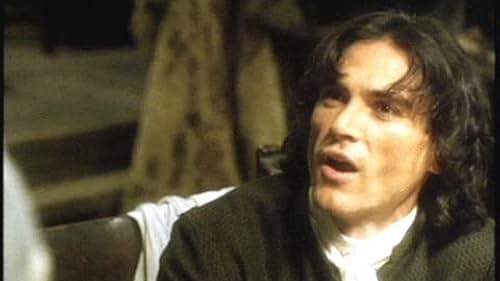
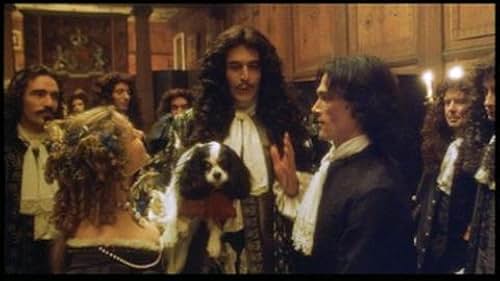
Based in the 1660's of London's theaters, this film is about the rules of gender roles in theatre production, and means to change them for everyone's benefit. Ned Kynaston is the assumedly gay cross-dressing actor who has been playing female parts in plays for years, particularly Desdemona in Othello, he also has a close relationship with a member of the Royal Court, the Duke of Buckingham. One day however, the rules of only men playing women could change when aspiring actress Maria auditions as Kynaston's praised role, Desdemona, and soon enough, King Charles II decides to make the law that all female roles should be played only by women. Maria becomes a star, while Ned finds himself out of work. But after a while, Ned finds it in his nature to forgive Maria's aspiration, they may even fall in love, and Charles may proclaim women will be played by either gender. Written by
Jackson Booth-Millard
Inspired very loosely by true events, with many characters based on actual personalities from the seventeenth-century stage. Ned Kynaston did play female roles, but also played male roles before and after women were allowed on stage. He would have been 20 in 1660, when the first woman appeared on stage. Margaret Hughes (Maria) is supposed to have been the first woman to appear in a stage production, aged 30. She did appear as Desdemona in Othello, on December 8 at the theater on Vere Street operated by the King's Company, whose manager was Thomas Killigrew, not Thomas Betterton as the film shows. Betterton was a successful theater manager later, but was only 25 in 1660. Other characters also were not historically the age that they appear to be in the film - Nell Gwynn would have been 10. See more »
Goofs
When Kynaston refers to his stage performance and says, "I blame you for my death," he looks up at Maria, but in the next shot his head is back down. See more »
Quotes
King Charles II:
My astronomers tell me that a star's light shines on long after it has died, even though it doesn't know it.
See more »
"All the world's a stage," wrote the Bard, "and all the men and women merely players that strut and fret their hour upon the stage."
"Stage Beauty" is set in the world of seventeenth-century Restoration theatre, but the stage serves as a microcosm for life itself, and the roles played by the actors before the public mirror the roles they play in their private lives. The question is, do they create their roles, or do their roles create them?
Ned Kynaston (Billy Crudup) is an actor who takes on women's roles, since real women are not permitted to do so. He has been thoroughly trained and schooled in the then highly stylized technique of portraying women -- to such an extent that any trace of masculinity seems to have been drummed out of him.
His dresser Maria (Clare Danes) yearns to be an actress herself, but is prevented from doing so by the narrow conventions of Puritan England -- until Charles II is restored to the throne and decrees that, henceforth, real women shall play women's roles on the stage. A whole new world opens up for Maria, but it looks like curtains for Ned.
What happens next is pure anachronism: Ned and Maria are able to rise above the limitations and constraints of their era. Not only do they transcend their gender or sex roles, but they overcome their classical training and, in effect, engage in Method acting, a technique still three hundred years away in the far-distant future. When he teaches Maria how to break the mold and play Othello's Desdemona in a whole new, natural way, Ned becomes a seventeenth-century Stanislavsky.
But, by George, it works. Their performance of the celebrated death scene from "Othello" sends shock waves through an audience accustomed to pantomime and exaggerated gestures -- and it electrifies us as well.
Not since Joseph Fiennes and Gwyneth Paltrow in "Shakespeare in Love" have an actor and actress so shimmered and shone simultaneously on stage and screen. One hopes that Billy Crudup and Clare Danes will be remembered for their luminous performances at the 2005 Academy Awards.
25 of 33 people found this review helpful.
Was this review helpful to you?
"All the world's a stage," wrote the Bard, "and all the men and women merely players that strut and fret their hour upon the stage."
"Stage Beauty" is set in the world of seventeenth-century Restoration theatre, but the stage serves as a microcosm for life itself, and the roles played by the actors before the public mirror the roles they play in their private lives. The question is, do they create their roles, or do their roles create them?
Ned Kynaston (Billy Crudup) is an actor who takes on women's roles, since real women are not permitted to do so. He has been thoroughly trained and schooled in the then highly stylized technique of portraying women -- to such an extent that any trace of masculinity seems to have been drummed out of him.
His dresser Maria (Clare Danes) yearns to be an actress herself, but is prevented from doing so by the narrow conventions of Puritan England -- until Charles II is restored to the throne and decrees that, henceforth, real women shall play women's roles on the stage. A whole new world opens up for Maria, but it looks like curtains for Ned.
What happens next is pure anachronism: Ned and Maria are able to rise above the limitations and constraints of their era. Not only do they transcend their gender or sex roles, but they overcome their classical training and, in effect, engage in Method acting, a technique still three hundred years away in the far-distant future. When he teaches Maria how to break the mold and play Othello's Desdemona in a whole new, natural way, Ned becomes a seventeenth-century Stanislavsky.
But, by George, it works. Their performance of the celebrated death scene from "Othello" sends shock waves through an audience accustomed to pantomime and exaggerated gestures -- and it electrifies us as well.
Not since Joseph Fiennes and Gwyneth Paltrow in "Shakespeare in Love" have an actor and actress so shimmered and shone simultaneously on stage and screen. One hopes that Billy Crudup and Clare Danes will be remembered for their luminous performances at the 2005 Academy Awards.