Traces the Beats from Allen Ginsberg and Jack Kerouac's meeting in 1944 at Columbia University to the deaths of Ginsberg and William S. Burroughs in 1997. Three actors provide dramatic ... See full summary »
Keep track of everything you watch; tell your friends.
If your account is linked with Facebook and you have turned on sharing, this will show up in your activity feed. If not, you can turn on sharing
here
.
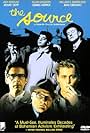
Traces the Beats from Allen Ginsberg and Jack Kerouac's meeting in 1944 at Columbia University to the deaths of Ginsberg and William S. Burroughs in 1997. Three actors provide dramatic interpretations of the work of these three writers, and the film chronicles their friendships, their arrival into American consciousness, their travels, frequent parodies, Kerouac's death, and Ginsberg's politicization. Their movement connects with bebop, John Cage's music, abstract expressionism, and living theater. In recent interviews, Ginsberg, Burroughs, Kesey, Ferlinghetti, Mailer, Jerry Garcia, Tom Hayden, Gary Snyder, Ed Sanders, and others measure the Beats' meaning and impact. Written by
<jhailey@hotmail.com>
The Source takes some priceless footage of this country's seminal beat poets and traces their impact on our society over 5 generations, from the 50's up through present time. Back in the 40's a young football player named Jack Kerouac at Columbia College in New York broke his leg and spent some time talking with other intellectuals, befriending one spindly young lad named Allen Ginsberg. Eventually they met up with another fellow named William S. Burroughs. From this small kernal sprang a movement that begat or aided in the progress of other movements throughout the past 50 years.
Piecing together footage from home movies, interviews, TV shows, films, and many other sources, Workman has built a very effective argument for this thesis: young intellectuals sharing thoughts about humankind's existence and our reason for being. It was right after the atomic bomb had been dropped. Film noir reflected the country's fears and anxieties. The world was no longer what it seemed. Existentialism and intellectualism were entering a new phase in society, and a group of free thinkers were born. Kerouac published a book which gave this group a name - "beats." Thus the beatnik was born. Gone. Crazy. Hip. Far out. Anything that questioned authority or existence, whether art, music, poetry, writing, performance...anything.
Strangers in their own country, these restless explorers were considered too weird for maintstream society, and were largely ignored or shunned. Eventually beatniks were accepted for what they were, evolving into "hippies." The movements of the 60's gave us "special interest groups" - gay & lesbian groups, the feminist movement, and others that owe a debt of gratitude to the free thinking beats.
8 of 9 people found this review helpful.
Was this review helpful to you?
The Source takes some priceless footage of this country's seminal beat poets and traces their impact on our society over 5 generations, from the 50's up through present time. Back in the 40's a young football player named Jack Kerouac at Columbia College in New York broke his leg and spent some time talking with other intellectuals, befriending one spindly young lad named Allen Ginsberg. Eventually they met up with another fellow named William S. Burroughs. From this small kernal sprang a movement that begat or aided in the progress of other movements throughout the past 50 years.
Piecing together footage from home movies, interviews, TV shows, films, and many other sources, Workman has built a very effective argument for this thesis: young intellectuals sharing thoughts about humankind's existence and our reason for being. It was right after the atomic bomb had been dropped. Film noir reflected the country's fears and anxieties. The world was no longer what it seemed. Existentialism and intellectualism were entering a new phase in society, and a group of free thinkers were born. Kerouac published a book which gave this group a name - "beats." Thus the beatnik was born. Gone. Crazy. Hip. Far out. Anything that questioned authority or existence, whether art, music, poetry, writing, performance...anything.
Strangers in their own country, these restless explorers were considered too weird for maintstream society, and were largely ignored or shunned. Eventually beatniks were accepted for what they were, evolving into "hippies." The movements of the 60's gave us "special interest groups" - gay & lesbian groups, the feminist movement, and others that owe a debt of gratitude to the free thinking beats.