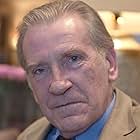
When the King of Navarre and three of his cronies swear to spend all their days in study and not to look at any girls, they've forgotten that the daughter of the King of France is coming on... See full summary »
Keep track of everything you watch; tell your friends.
If your account is linked with Facebook and you have turned on sharing, this will show up in your activity feed. If not, you can turn on sharing
here
.
When the King of Navarre and three of his cronies swear to spend all their days in study and not to look at any girls, they've forgotten that the daughter of the King of France is coming on a diplomatic visit. And the lady herself and her attendants play merry havoc with their intentions. Written by
Kathy Li
This is a chamber play, with a lot of elaborate verbal humor and a little action but not much.
There are reasons this particular Shakespeare play is not put on much in the theater, but make it more suitable for television than usual. We are close in, the faces of engaging personalities fill the screen, the comedy of broken vows, misdirected courtships and thwarted desire works well in TV scale.
That we forgive these characters for occasionally going into fits of laughter over puns and paradoxes that we will not ever understand is made possible by the director, Elijah Moshinsky. He has played fast and loose with the BBC/Time-Life ground rules of "either Shakespeare's time or the story's" by setting the action in an 18th Century Never-Neverland decorated delightfully by Watteau. with a touch of the Sir John Soane Museum for flavor. The result is well-paced, inventively staged and balm to the soul.
Acting honors go to David Warner as Don Armado. His character is endearingly off-center, without ever attempting a Spanish accent to match his name. There's certainly nothing here in this sweet loony at all like the sinister drip that Warner usually played in films - altogether a wonderful surprise.
Berowne is the best-written part, and Mike Gwilym's adenoids make happy sport with the Mercutio/Benedick-style dialog. Maureen Lipman appears more surprised than we are to find her as the Princess of France, but she acquits herself well. Jenny Agutter is delectable as Rosaline, even though her hair and makeup seem at least as appropriate for a small role in "The King and I."
Amidst the warm comedy, there is a pang with the sudden shift of tone near the end of the play at Marcade's announcement of a death. The extra resonance is caused by the appearance of the ever-sepulchral Valentine Dyall, age 77, in his farewell to the screen. He represents a link to the past, as his Duke of Burgundy in the Olivier "Henry V" forty years earlier is, and will continue to be, quite memorable.
"Love's Labour's Lost" is stronger in its influence than its performance history. Mozart's "Cosi fan tutte" picks up the device of lovers in Slavic disguise wooing the wrong women. G&S's "Princess Ida" may play around with the genders, but love trumps monastic scholarship in the same way.
In fact, all we usually know about this play is a lot of people aren't sure how to punctuate the title. Now it's possible to make friends with some splendid Shakespeare you are not likely to see on stage. Highly recommended.
8 of 8 people found this review helpful.
Was this review helpful to you?
This is a chamber play, with a lot of elaborate verbal humor and a little action but not much.
There are reasons this particular Shakespeare play is not put on much in the theater, but make it more suitable for television than usual. We are close in, the faces of engaging personalities fill the screen, the comedy of broken vows, misdirected courtships and thwarted desire works well in TV scale.
That we forgive these characters for occasionally going into fits of laughter over puns and paradoxes that we will not ever understand is made possible by the director, Elijah Moshinsky. He has played fast and loose with the BBC/Time-Life ground rules of "either Shakespeare's time or the story's" by setting the action in an 18th Century Never-Neverland decorated delightfully by Watteau. with a touch of the Sir John Soane Museum for flavor. The result is well-paced, inventively staged and balm to the soul.
Acting honors go to David Warner as Don Armado. His character is endearingly off-center, without ever attempting a Spanish accent to match his name. There's certainly nothing here in this sweet loony at all like the sinister drip that Warner usually played in films - altogether a wonderful surprise.
Berowne is the best-written part, and Mike Gwilym's adenoids make happy sport with the Mercutio/Benedick-style dialog. Maureen Lipman appears more surprised than we are to find her as the Princess of France, but she acquits herself well. Jenny Agutter is delectable as Rosaline, even though her hair and makeup seem at least as appropriate for a small role in "The King and I."
Amidst the warm comedy, there is a pang with the sudden shift of tone near the end of the play at Marcade's announcement of a death. The extra resonance is caused by the appearance of the ever-sepulchral Valentine Dyall, age 77, in his farewell to the screen. He represents a link to the past, as his Duke of Burgundy in the Olivier "Henry V" forty years earlier is, and will continue to be, quite memorable.
"Love's Labour's Lost" is stronger in its influence than its performance history. Mozart's "Cosi fan tutte" picks up the device of lovers in Slavic disguise wooing the wrong women. G&S's "Princess Ida" may play around with the genders, but love trumps monastic scholarship in the same way.
In fact, all we usually know about this play is a lot of people aren't sure how to punctuate the title. Now it's possible to make friends with some splendid Shakespeare you are not likely to see on stage. Highly recommended.