
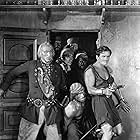
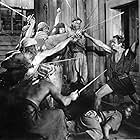
Seeking revenge, an athletic young man joins the pirate band responsible for his father's death.Seeking revenge, an athletic young man joins the pirate band responsible for his father's death.Seeking revenge, an athletic young man joins the pirate band responsible for his father's death.


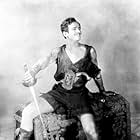


Douglas Fairbanks
- The Duke of Arnoldo
- (as Mr. Douglas Fairbanks)
- …

Billie Dove
- Princess Isobel
- (as Miss Billie Dove)

Tempe Pigott
- Duenna
- (as Miss Tempé Pigett)

Donald Crisp
- MacTavish
- (as Mr. Donald Crisp)

Sam De Grasse
- Pirate Lieutenant
- (as Mr. Sam de Grasse)

Anders Randolf
- Pirate Captain
- (as Mr. Anders Randolf)

Charles Stevens
- Powder Man
- (as Mr.Charles Stevens)
John Wallace
- Peg-Leg Pirate
- (as Mr. John Wallace)

Fred Becker
- Pirate
- (as Mr. Fred Becker)

Charles Belcher
- Chief Passenger - Nobleman
- (as Mr. Charles Belcher)
E.J. Ratcliffe
- The Governor
- (as Mr. D. J. Ratcliffe)

Jimmy Dime
- Pirate
- (uncredited)

George Holt
- Pirate
- (uncredited)

Stubby Kruger
- Pirate
- (uncredited)
Charles Lewis
- Pirate
- (uncredited)

Barry Norton
- Youth
- (uncredited)


Contribute to this page
Suggest an edit or add missing content


