Sunnyside
- 1919
- 34m

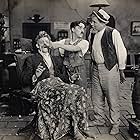
Charlie works on a farm from 4am to late at night. He gets his food on the run (milking a cow into his coffee, holding an chicken over the frying pan to get fried eggs). He loves the neighbo... Read allCharlie works on a farm from 4am to late at night. He gets his food on the run (milking a cow into his coffee, holding an chicken over the frying pan to get fried eggs). He loves the neighbor's daughter Edna but is disliked by her father. He rides a cow into a stream and is kicke... Read allCharlie works on a farm from 4am to late at night. He gets his food on the run (milking a cow into his coffee, holding an chicken over the frying pan to get fried eggs). He loves the neighbor's daughter Edna but is disliked by her father. He rides a cow into a stream and is kicked off. Unconscious, he dreams of a nymph dance. Back in reality a city slicker is hurt in ... Read all



- Farm Handyman
- (as Charlie Chaplin)


- Nymph
- (uncredited)

- Slicker
- (uncredited)

- Villager and Edna's Father
- (uncredited)

- Small Role
- (uncredited)
- Nymph
- (uncredited)
- Nymph
- (uncredited)
- Small Role
- (uncredited)
- Small Role
- (uncredited)
- Small Role
- (uncredited)
- Small Role
- (uncredited)
- Fat Man
- (uncredited)
- Small Role
- (uncredited)
- Nymph
- (uncredited)
- Small Role
- (uncredited)

- Young Man from the City
- (uncredited)

- Fat Boy's Father
- (uncredited)


Contribute to this page


